The Story Behind PRISM
Where experience, research,
and meaning converge.
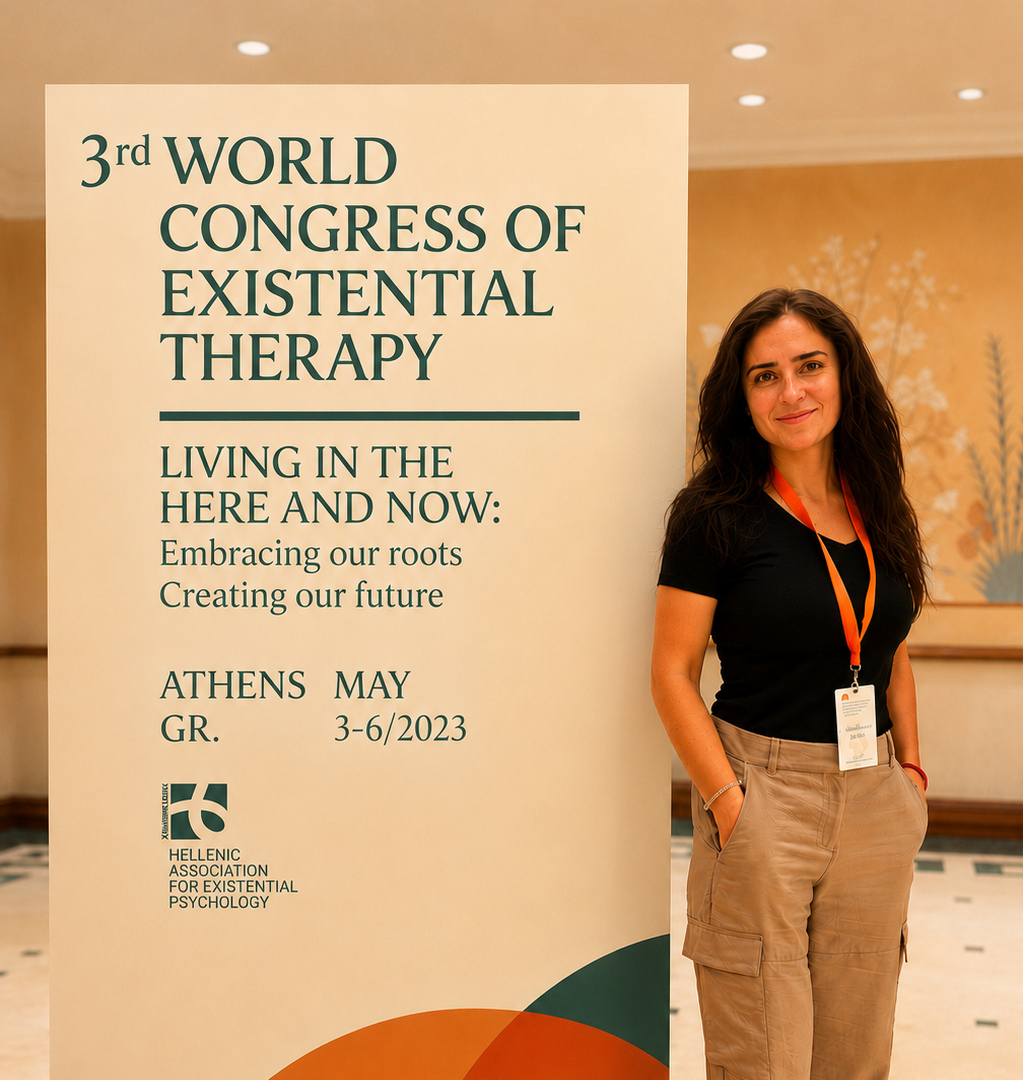
Carly Button, PhD, LPC
Founder, The PRISM Model
Dr. Button presenting the PRISM Model.
At age fifteen, Dr. Carly Button found herself enrolled in a wilderness therapy program after struggling with significant emotional and behavioral challenges. What she could not have known at the time was that this experience would spark a lifelong exploration of one of the most important questions in behavioral health:
What helps people not only recover from adversity, but ultimately flourish?
Years later, that question would shape her clinical work, doctoral research, and the development of the PRISM Model of Wellness.
Throughout her work in behavioral health, addiction recovery, counselor education, and meaning-centered practice, Dr. Button observed a consistent pattern. While symptom reduction and crisis stabilization are essential components of recovery, sustained well-being often depends upon something deeper. Individuals who develop a sense of purpose, meaningful relationships, personal strengths, and a compelling reason to move forward are more likely to build lives they genuinely want to live.
This observation aligns with principles found in existential psychology and logotherapy, which suggest that human beings are fundamentally driven by a search for meaning. Recovery is not simply the absence of addiction, distress, or dysfunction—it is the presence of purpose, belonging, and a meaningful future.
At the University of Arizona, Dr. Button's doctoral research examined how meaning-centered approaches, resilience, and psychological well-being contribute to sustained recovery and human flourishing.
Over time, a framework began to emerge.
The result was the PRISM Model of Wellness.
PRISM identifies five interconnected dimensions associated with lasting well-being and personal growth:
- Perspective — How we understand ourselves and our experiences.
- Relationships — The connections that support and sustain us.
- Intention — Aligning actions with values and purpose.
- Strengths — The resources and capabilities that help us grow.
- Meaning — The sense of purpose that gives direction to life.
Together, these dimensions provide a practical framework for helping individuals move beyond surviving and toward flourishing.
The PRISM Model served as the foundation for Dr. Button's doctoral scholarship and has been presented to professional audiences nationally and internationally. Today, it continues to inform recovery-oriented programs, educational initiatives, wellness interventions, and professional development efforts focused on helping individuals and communities thrive.
Flourishing is not the absence of struggle. It is the capacity to find growth, purpose, connection, and meaning through it.
- Doctoral researcher in meaning-centered approaches to recovery.
- Presenter at the World Congress of Existential Therapy.
- Licensed Professional Counselor practicing in trauma-informed care.